Most senior citizens and the people who care for them are utilized to taking care of medication charts, clinical appointments, and mobility concerns. Yet when I ask teams of caregivers, "That here feels confident handling a choking episode or an unexpected collapse in your home?", only a few hands go up. The rest look at the floor and confess they would most likely panic.
That gap in between everyday responsibility and emergency self-confidence is precisely where an express first aid course gains its maintain. When every minute matters, a couple of targeted hours of first aid training can turn confusion into tranquil action.
This overview checks out just how fast first aid courses, express CPR training, and concentrated first aid and CPR courses can be tailored to senior citizens and caregivers, including grandparents looking after little ones. It draws on what I have actually seen in genuine training areas and in real emergency situations, in residences that look just like yours.
Why first aid for seniors is different
A requirement first aid course is built around the average adult with no significant health and wellness problems. That does not describe lots of people over 65, and it definitely does not explain a number of the family members who look after them.
With seniors, the emergencies you are more than likely to face adjustment, therefore do the risks of each treatment. Upper body compressions on a 30 year old gym-goer and compressions on an 82 years of age with fragile bones are very different in feel, in danger, and in psychological weight.
When I run first aid and CPR training classes with older learners, a couple of motifs turn up continuously:
Caregivers worry about "doing even more injury than great" with CPR or moving somebody after a fall. Elders usually fear coming to be a "burden" if something goes wrong, and that worry can make them conceal early indication. Families are commonly handling numerous problems at once - heart disease, diabetes mellitus, arthritis, early dementia - which transforms what a first aid feedback need to look like.
An express first aid course that recognizes those truths aids individuals stop presuming and begin showing educated confidence.
The emergency situations elders and caregivers are more than likely to see
The stats match what I have actually heard at countless cooking area tables. The most usual emergency situations in older grownups are usually associated with the heart, breathing, brain, blood sugar level, and mobility.
Cardiac events and strokes control the severe end of the spectrum. An unexpected collapse in the living-room, slurred speech at breakfast, or breast pain that will certainly not alleviate after rest are all scenarios where fast, clear-headed reactions make the difference between recuperation and long-lasting impairment or death.
Breathing issues, from COPD flare-ups to choking on food, are an additional constant challenge. Thin liquids, combined structures, and dentures can all raise choking threat in your home. Many individuals only think of choking in youngsters; in practice, I have actually utilized stomach drives more frequently on older adults.
Falls are the quiet, slow-burning emergency in the background. Not every autumn requires a rescue, yet too many are swept aside without checking for surprise injuries or head injury. A good fast first aid course spends time on exactly how to assess a loss, when to move someone, and when to insist on clinical review.
Then there is blood sugar. With numerous older grownups handling diabetes mellitus or pre-diabetes, caregivers regularly find themselves thinking whether an enjoyed one is "simply worn out" or slipping into a hypoglycaemic state. Without some targeted first aid training, that think can go badly wrong.
Express first aid training is at its ideal when it zooms in on these reasonable situations instead of spreading itself thin on every feasible injury.
What makes an express first aid course "express"
When individuals search for a fast first aid course near me, they are typically juggling work, appointments, and tiredness. Elders might battle with long classroom days, and unsettled caregivers are already extended. A well designed express first aid course appreciates that reality without watering down the life-saving core.
An express first aid course or express CPR course focuses on:
Short, firmly structured sessions, frequently 2 to 4 hours, with clear top priorities. High-impact subjects: CPR, choking, severe blood loss, stroke, heart attack, and when to call for assistance. Practical, repeated method over lengthy talks, utilizing manikins and easy scenarios. Simple language, not medical lingo, particularly when handling mixed-age groups.
The ideal express first aid training trims non-essential detail while keeping the actions that really change outcomes in the first few mins of an emergency. It is not about "shortcutting" security; it is about removing the clutter.
You will also see several companies providing express first aid and CPR courses that blend on the internet material with a short in person functional element. For senior citizens and caregivers, that can be excellent. You assess theory at your very own rate, then attend a focused on-site session to carry out compressions, method recovery placements, and go through real-life scenarios.
Fast certification is eye-catching, but rate must never be the only aspect. A 3 hour session that leaves you nervous and not sure is not a bargain.
Core skills every senior and caregiver ought to learn
Over the years, I have had the very same discussion with numerous households: "What should we definitely understand, even if we do not end up being specialists?" The answer fits surprisingly well right into a useful fast first aid course.
A strong express first aid course for senior citizens and caregivers will certainly always cover CPR training for grownups, with focus on adjusting hand position and force for older breasts. Lots of also consist of express CPR training for infants and youngsters, which is important for grandparents and part-time carers.
Choking feedback, consisting of back blows and abdominal thrusts, is entitled to even more method time than numerous typical courses offer it. In real life, it is unusual to execute only one method; you usually need to cycle in between them.
Stroke acknowledgment using easy memory help like FAST (Face, Arms, Speech, Time) is non-negotiable. The home window for clot-busting therapy is measured in hours, not days. A caregiver who thinks twice overnight can unintentionally shut that window.
Managing upper body pain in the house is an additional sensible topic. Elders with steady angina often minimize brand-new symptoms or assume "it is simply the common". Caregivers learn to distinguish patterns that are common for that person from signs that something extra significant is unraveling. They likewise discover just how to assist with prescribed medicine such as nitrates without getting on the duty of amateur doctor.
Blood sugar emergency situations in diabetics, particularly recognising hypo versus hyper states, commonly take advantage of scenario-based technique. I once collaborated with a daughter who had been afraid to offer her mommy any kind of sugar "just in instance it made points even worse". After a focused first aid training session that utilized her mom's actual drug listing as a training tool, she felt great enough to act early rather than waiting for an ambulance every time her mother appeared "unclear".
Good courses also hang around on the more quiet yet vital abilities: risk-free moving and placing, using pillows and rolled towels to keep airways open, speaking with paramedics in a clear and concise method, and managing the emotional shock of a sudden event.
How express CPR and first aid collaborates with older bodies
The largest mental block I see in seniors and their family members is the fear of triggering damage. I hear it practically weekly: "Suppose I break a rib?" Or "His neck is vulnerable, I am terrified to move him."
Here is the frank response I give in class. Yes, CPR can break ribs, particularly in older grownups with osteoporosis. That is not a failure. It is a well-known, appropriate adverse effects of trying to save a life where the alternative is fatality. Emergency physicians prefer to deal with a rib fracture in a living patient than satisfy a family members who did nothing for concern of a fracture.
In express CPR courses designed for elders, trainers ought to show secure hand placement, deepness alterations when proper, and just how to first aid pro Cannon Hill use your body weight without "throwing" on your own onto the chest. Learners reach feel the resistance of a manikin and adjust their stamina before facing a real chest.
For falls and presumed cracks, express first aid training focuses on assessment and convenience instead of brave lifting. We go through:
Talking to the person and using their own record of pain and movement as your first guide. Looking for visible defects, swelling, or blood loss. Supporting the hurt location with rolled towels or coverings. Utilizing breathing and conversation to keep anxiety down while you select following steps.
The objective is not to turn caretakers right into paramedics. The goal is to aid them make good choices regarding when to await guidance, when to call an ambulance quickly, and when it is secure to assist somebody stand with support.
Express child care first aid for grandparents and older carers
More and more grandparents supply normal child care. Several are active and capable, however they usually learned their original first aid decades earlier. Standards alter. The CPR you found out in 1995 is not the CPR used in current first aid and cpr courses.
That is where express childcare first aid courses gain their location. In half a day or much less, they redouble on the emergency situations that realistically happen with babies and children when a grandparent supervises: choking on small food pieces, allergies at institution pickup, burns from warm drinks, and drops from play area equipment.
An express childcare first aid course or express childcare first aid training session usually tightens its material to:
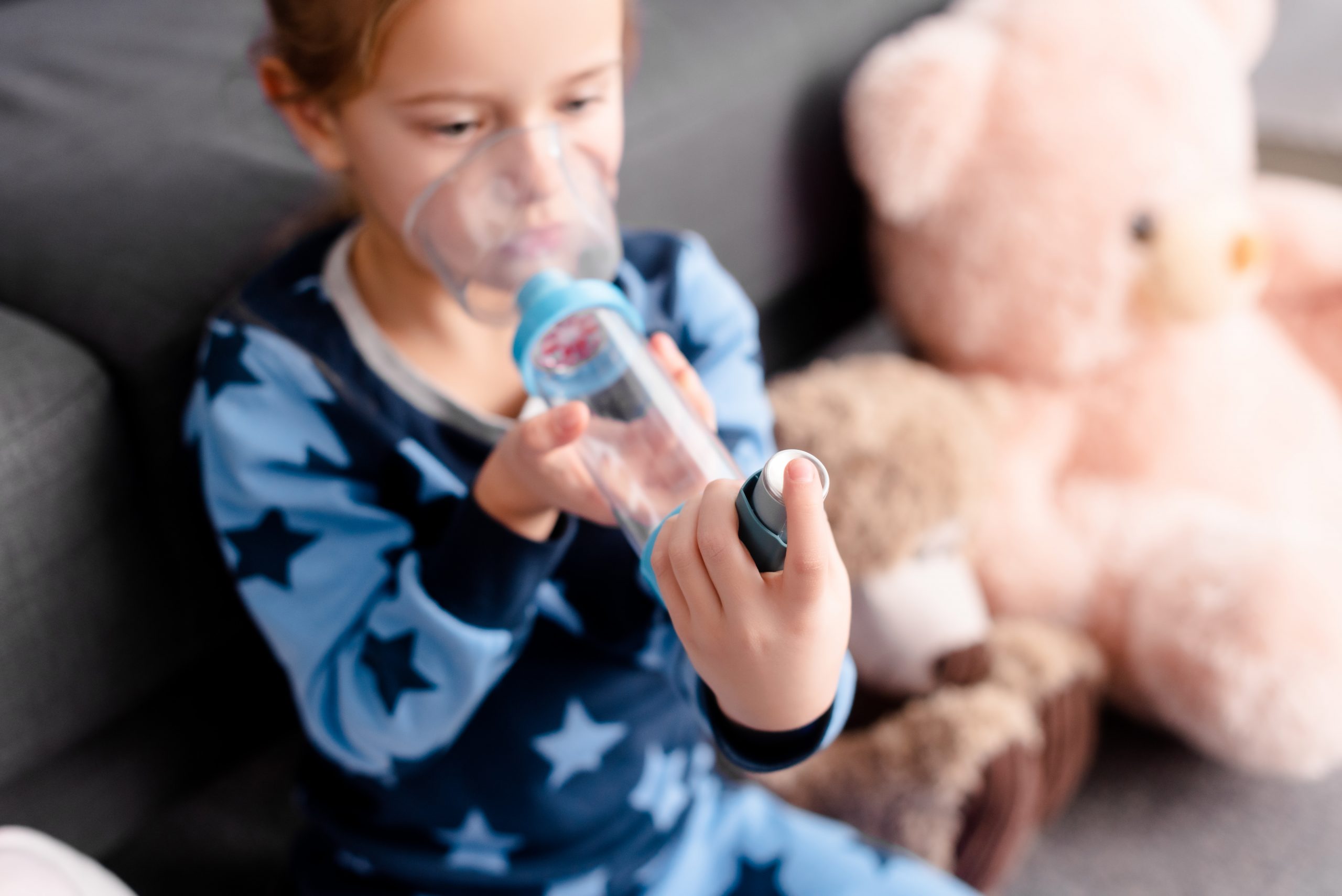
Child and infant CPR, with plenty of repeating. Choking management for babies and kids, consisting of exactly how to utilize gravity and your very own leg or lap as support. Recognising major breathing troubles such as asthma assaults. Managing head bumps without worrying about every bruise.
I bear in mind one grandpa in his early seventies who arrived at an express childcare first aid course noticeably humiliated. He had raised 3 youngsters of his very own, and he felt foolish "returning to institution". Halfway via infant CPR method he searched for and said, "I had no concept the compression deepness was this various for infants now. I have actually run out day for twenty years."
By the end, he firmly insisted that his adult youngsters also go to a fast CPR refresher course. When whole family members devote to the same current technique, children and elders both benefit.
Choosing the appropriate fast first aid or express CPR course
People frequently feel overwhelmed by the series of first aid courses and cpr courses on offer. Some want the fastest feasible express first aid course to satisfy a workplace checklist. Others need a much deeper, more tailor-maked first aid training experience yet do not understand exactly how to request it.
When the emphasis is senior citizens and caretakers, a few selection criteria consistently matter more than price or brand.
A brief checklist can help:
Confirm that the carrier supplies certain web content on older grownups, chronic ailment, or home caregiving, not just generic workplace mishaps. Ask whether the express first aid training includes useful CPR training on manikins and repeated practice of choking techniques, not simply demonstration. Check for how long the first aid certificate will stay legitimate and whether they run fast cpr refresher course alternatives, specifically if mobility issues make travel hard. Look for instructors with scientific or real-world emergency situation histories, that can speak with edge instances such as pacemakers, frailty, or dementia-related behaviours. Make certain course size is little enough that seniors obtain hands-on training, not simply a seat at the back.If your search history already consists of phrases like fast first aid course near me or express cpr courses, take the time to call a couple of providers and describe your exact situation. A trustworthy trainer will certainly inform you truthfully whether their express first aid courses fit your demands or whether you would be better with a slightly longer format.
Avoid any kind of provider that appears a lot more thinking about pushing you through for a "fast certification" than in making sure you understand what you are doing.
What an express first aid training session really feels like
Many seniors get to their very first fast first aid training with 2 specific anxiousness: "I am also old to learn this" and "I am going to hold the class back."
A great instructor heads that off promptly. We begin with basic, low-stress skills: exactly how to examine responsiveness, how to shout for assistance, exactly how to roll someone right into the recuperation setting securely. Once people have actually moved a manikin a few times and felt the activity in their very own bodies, they relax enough to take on CPR and choking drills.

An express first aid and cpr course typically blends brief ruptureds of explanation with cycles of practice. For example, you could spend 10 minutes examining the actions of grown-up CPR, then revolve via executing those steps in sets, with the trainer remedying hand setting and compression rhythm.
The pace is quick but not hurried. The emphasis stays on high-yield abilities rather than lengthy conversation of uncommon injuries. Senior citizens that tire quickly are urged to take quick rests in between drills, without seeming like they are failing the course. We take note of chair elevation, lighting, and noise since these practical information matter more than most individuals think.
In mixed-generation classes, it prevails to see a caregiver child sustaining a parent throughout placing method or reading out the actions from a prompt card while the older individual performs the activities. That sort of team effort mirrors what will certainly happen at home in actual emergencies.
By completion of an express first aid course, a lot of elders are pleasantly amazed by just how much their bodies bear in mind, even if their minds still really feel unsure. That muscle mass memory is exactly what you wish to build.
Keeping abilities fresh: fast CPR refresher and recurring practice
First help resembles an international language. If you do not use it, you lose it. Research and experience both recommend that CPR quality drops significantly within 6 to twelve month without technique. For seniors, that matters even more, since physical strength and adaptability can transform over that same period.
A fast cpr correspondence course, preferably annually, helps recalibrate your method. You can examine whether you are still pushing deep sufficient on the breast, whether you can still manage a complete 2 mins of compressions, and what adjustments might aid if arthritis or shoulder discomfort has progressed.
Short, focused first aid and cpr training classes can also resolve new realities. Maybe a loved one has lately been diagnosed with cardiac arrest, or a grandchild has developed a serious allergy, or a partner has started on blood thinners. Each adjustment brings new first aid ramifications. An excellent trainer can stroll you through them using your actual circumstances, not just textbook examples.
Between formal courses, I frequently suggest that households keep a straightforward routine at home. As soon as every few months, rest together and speak through one "suppose" scenario, such as "What happens if Grandpa collapsed in the yard?" Or "Suppose our toddler choked on a grape at lunch?" Have everyone state out loud what they would certainly do initially, second, and 3rd. It takes five mins however keeps the pathways in your brain warmed up.
Cards or fridge graphes summing up CPR actions, stroke indicators, and emergency numbers are also worth their king's ransom when adrenaline is high.
When first aid fulfills the real world: 3 brief stories
Theory is neat. Genuine homes are not. They have carpets to trip on, tvs blasting behind-the-scenes, and family first aid course Cannon Hill characteristics that can aid or prevent a response.
I once collaborated with a couple in their late seventies. The spouse endured a cardiac arrest in the hallway while trying to find his shoes. His better half, that had actually done a fast first aid course at their neighborhood centre six months previously, acknowledged that he was not taking a breath normally. She started breast compressions while yelling to a neighbor to call a rescue. Paramedics later told her that those initial couple of minutes of imperfect yet consistent compressions were the factor they had something to collaborate with when they arrived.

In another situation, a little girl caring for her diabetic person mom observed slurred speech and face droop throughout early morning tea. Prior to her first aid training, she would certainly have presumed "low sugar" and provided juice. After an express first aid and cpr course that pierced stroke indicators, she called emergency solutions right away. Medical facility staff confirmed a stroke and had the ability to treat within the vital home window. The mommy walked out of healthcare facility with only small weakness.
A final tale includes a grandfather at a park with his three year old grandson. The kid started to choke on an item of sausage. Since the grandpa had recently finished an express child care first aid course, his feedback was virtually automatic: he positioned the youngster leaning forward, delivered firm back blows, and cleared the blockage. By the time other grownups noticed something was incorrect, the risk had passed. Later, he confessed that before that training he would certainly have attempted to "fish around" in the youngster's mouth, which can push objects deeper.
None of these individuals thought of themselves as heroes. They simply had enough first aid training, freshened adequate times, to bridge the gap until specialists arrived.
Bringing express first aid into your family members's routine
The real step of success for any kind of fast first aid course or express cpr training is not the card in your pocketbook, however the calmness you offer your next crisis.
For elders and caretakers, that calmness does not come from memorising every protocol. It comes from knowing a handful of high-impact actions and having practiced them on a timetable that values your energy and your life.
If you are a senior, a caretaker, or a grandparent, consider making express first aid courses part of your routine health routine, together with examinations and drug testimonials. Search for suppliers that treat your lived experience as an asset, not a barrier, and that are comfortable adapting first aid mentor to joint inflammation, listening to difficulties, or mobility limits.
The combination of a focused express first aid course, routine fast cpr refresher course sessions, and honest conversation within your family members can transform the means you face emergency situations at home. You can not anticipate when the following crisis will strike. You can choose exactly how prepared you will be when it does.